How we picked
We selected buyable name tag products in common formats such as pin, magnetic, clip, and adhesive styles. We compared material, size, reusability, attachment method, customization options, pack quantity, and listed price so readers can verify each detail.
Tip: Choose magnetic name tags for dress clothes and uniforms if you want to avoid pin holes, but check magnet strength and workplace safety rules first.
If you’re comparing the 7 Best Name Tags in 2026, the biggest mistake isn’t picking the “wrong” style — it’s picking a name tag that fails in your actual setting. A glossy acrylic badge that looks sharp at a front desk can glare under expo lighting, while a cute backpack tag with name details might crack after a month of school-drop chaos.
That’s why smart buyers now look beyond looks. In 2026, the best name tag for a receptionist, a conference attendee, a dog with name tag needs, and a kid’s backpack are often completely different products — even if they all appear in the same ranked list.
Below, you’ll get a practical guide to the 7 Best Name Tags in 2026 already listed on this page: what each type is best for, what file formats work, which attachment styles fail most often, and how to avoid the review complaints that show up again and again.
Quick trust note: The ranked list and “How we picked” section already appear above, so this guide focuses on decision-making: real-world use cases, materials, setup issues, and the small details that separate a name tag that lasts 12 months from one that chips in 12 days.
Which of the 7 Best Name Tags in 2026 is best for your use case?
The best overall choice for most workplaces is usually an acrylic or 3D-printed name tag with a magnet back, because it balances readability, durability, and daily comfort. For schools, sports bags, and travel gear, a lighter tag with name text engraved or raised tends to survive rough handling better than printed-only designs.
Here’s the simple breakdown from the products already listed above:
- Best for offices and front desks
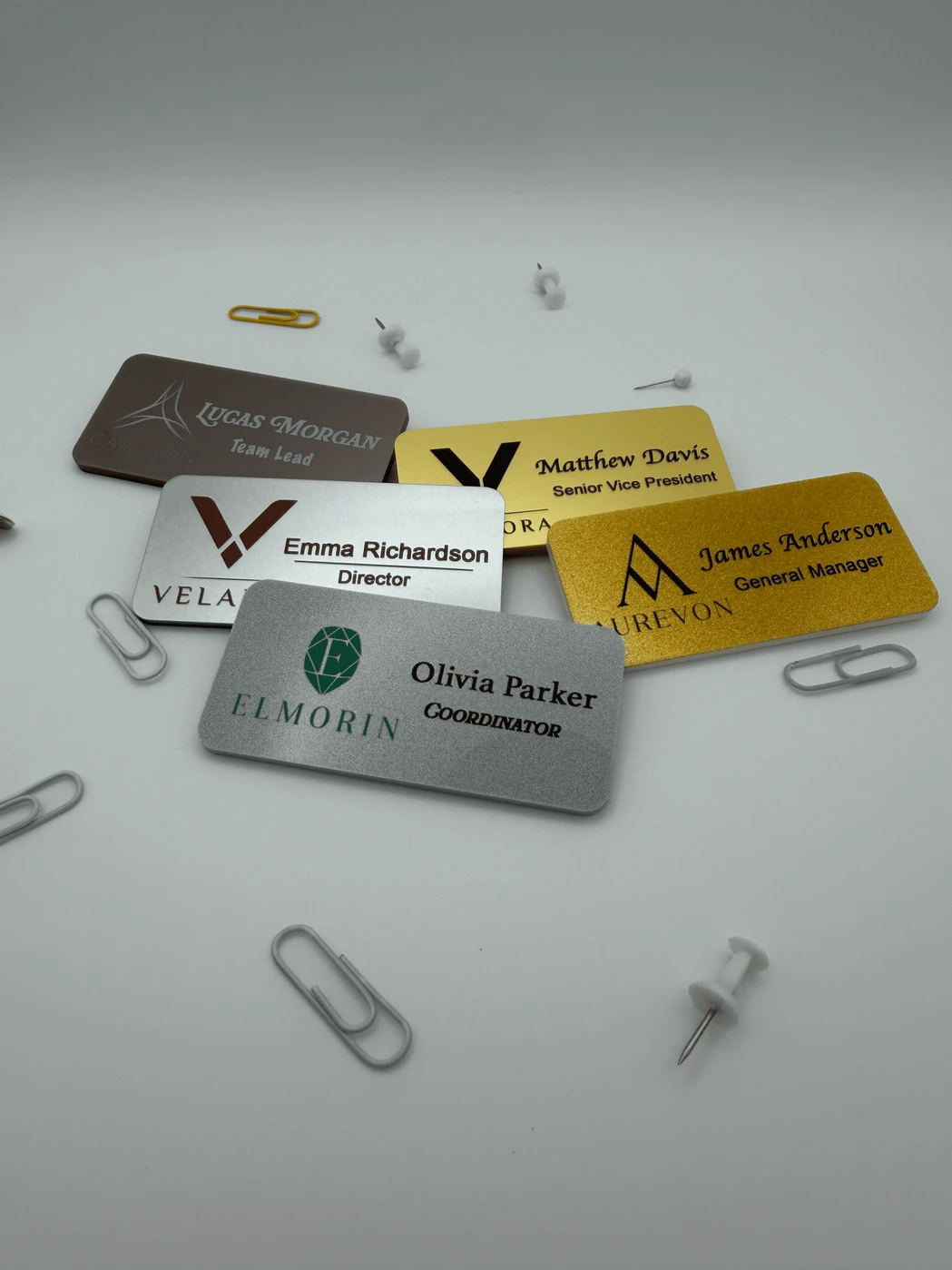
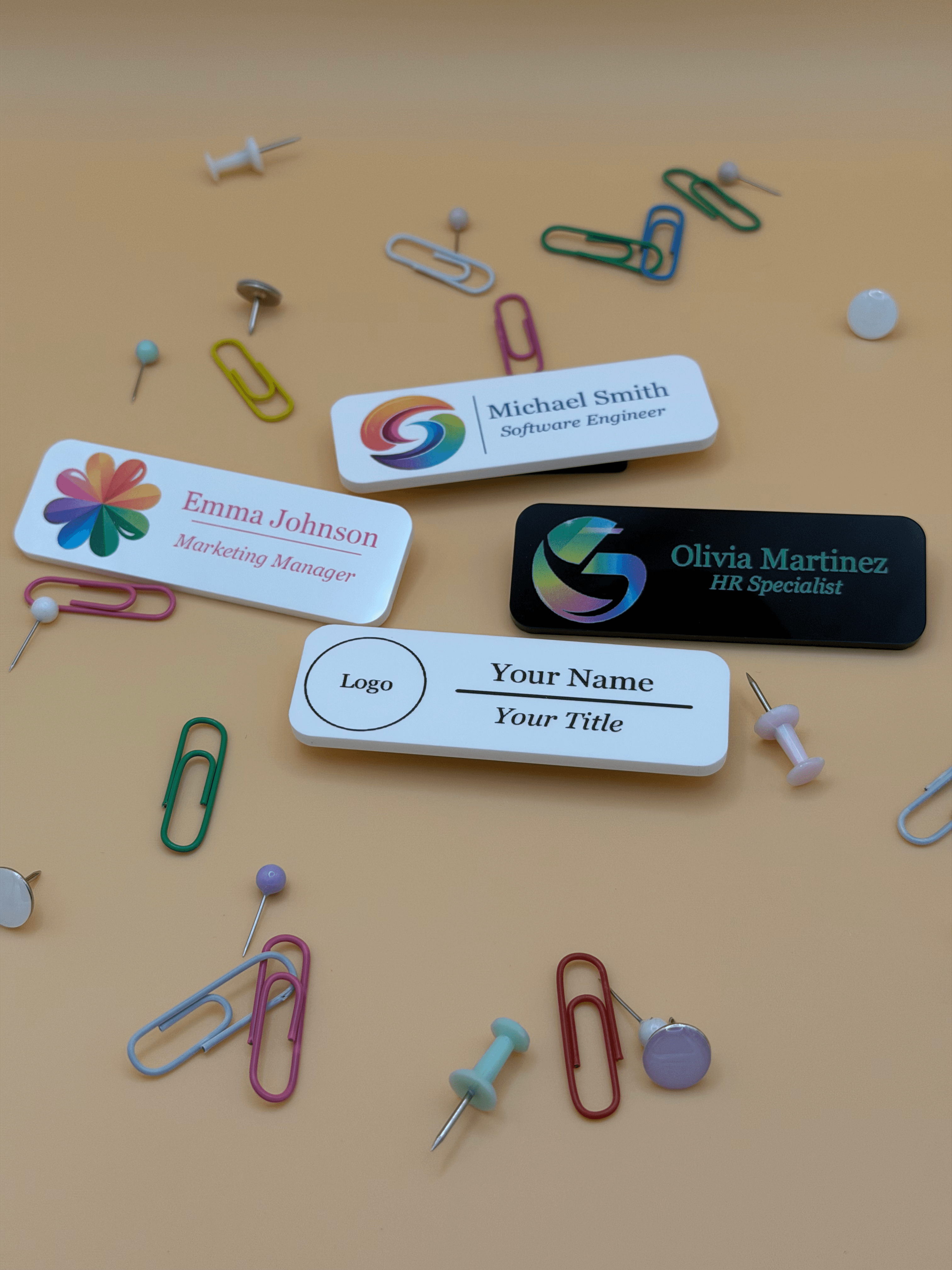
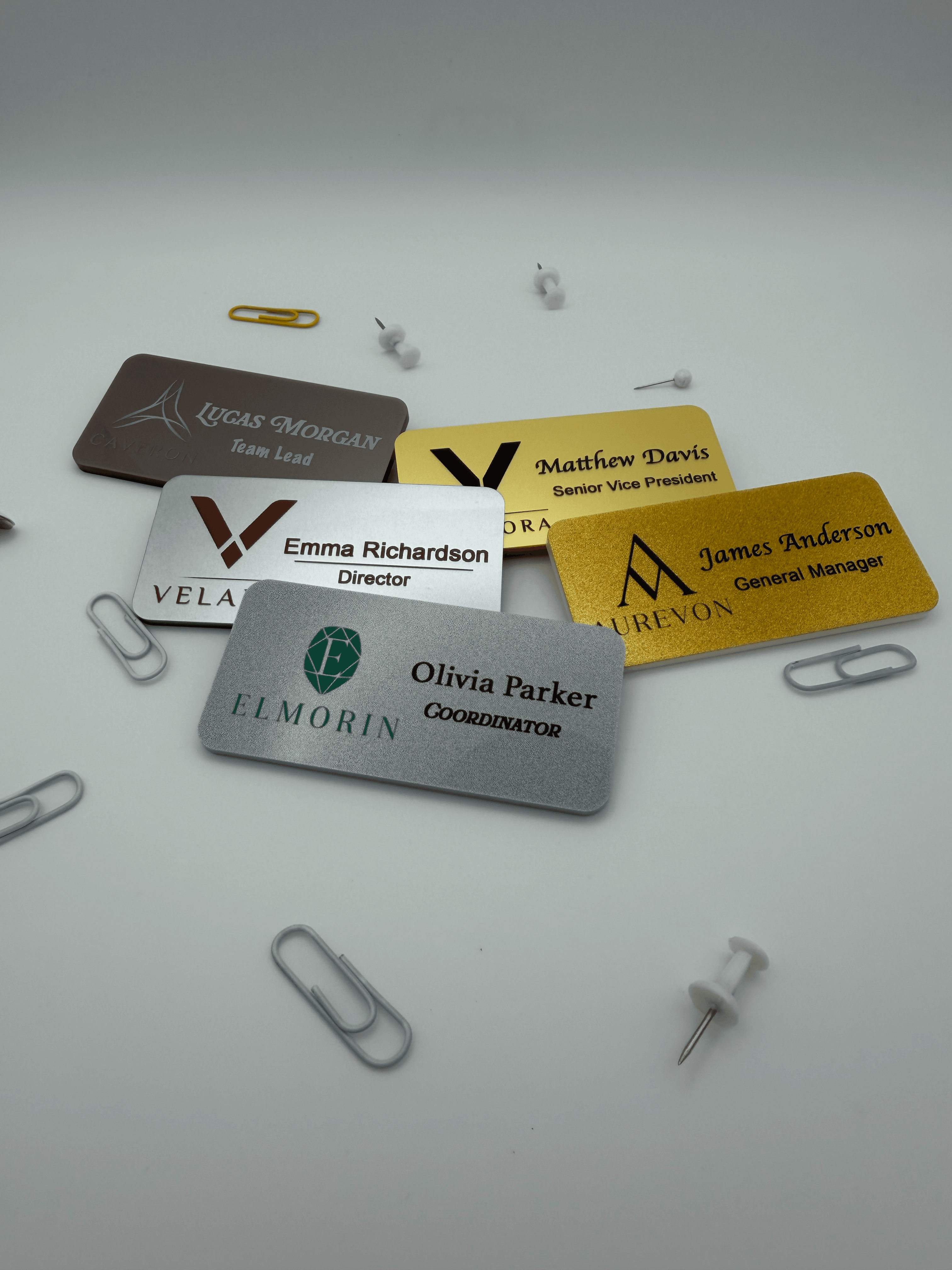
- Custom Name Badge with Logo - Personalized Acrylic Name Tag
- Personalized Acrylic Name Badges with Your Logo
- Why: clean branding, crisp text edges, and a professional finish that reads clearly from about 4 to 6 feet away
- Best for high-traffic daily wear
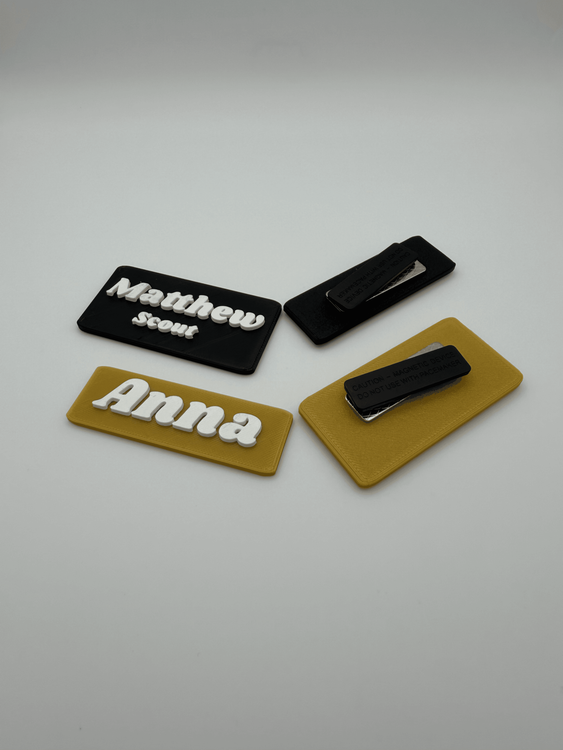
- Custom 3D Printed Name Badge – Personalized Name Tag
- Why: raised lettering often hides minor scuffs better than flat surface printing
- Best for bags, bottles, and student gear
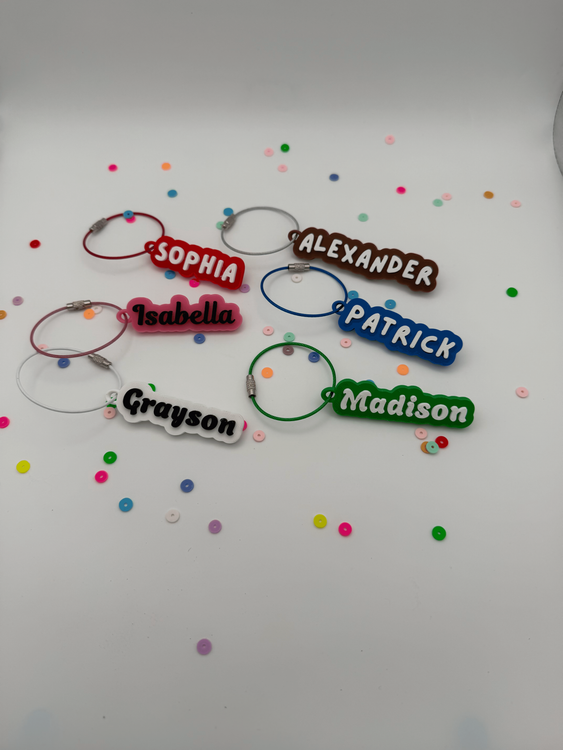
- Personalized 3D Printed Name Tags: Water Bottle Tags, Backpack Tags, Gift Tags, Backpack Ke…
- Why: practical for repeated grabbing, clipping, and outdoor use
- Best for DIY teams or bulk personalization
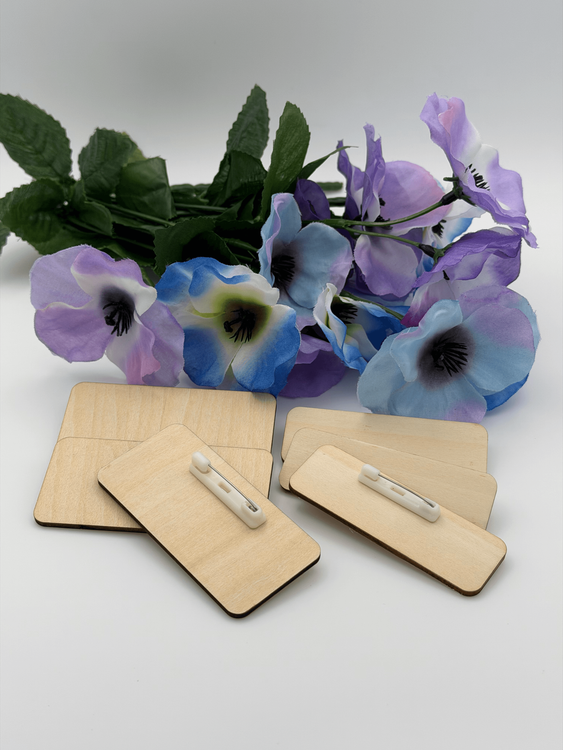
- Wooden Name Badges Blank Pin Back Tags
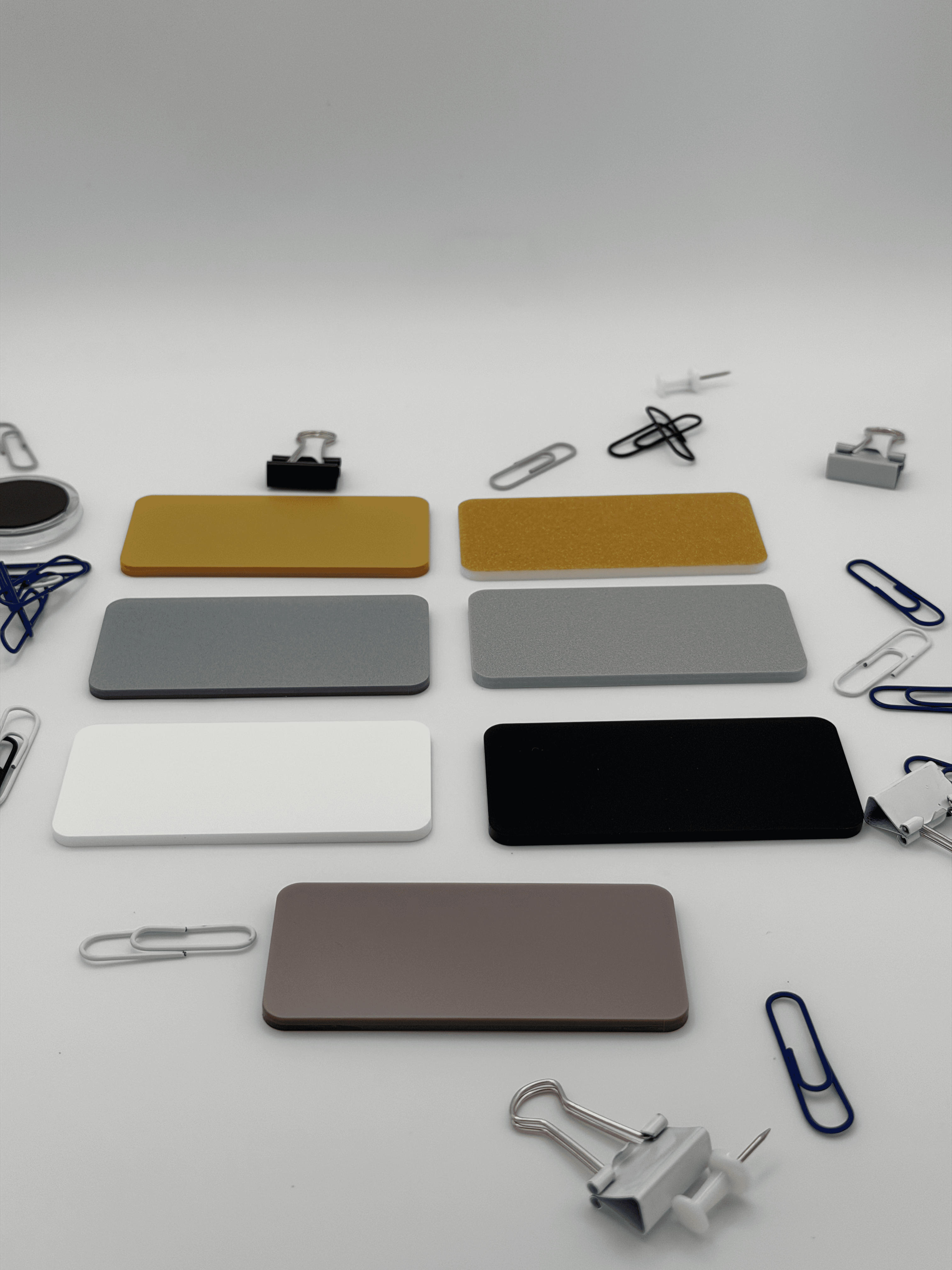
- Blank Acrylic Name Badges with Pin or Magnet Back
- Why: useful if you want to add names later or standardize a staff set
- Best for basic identification systems
- Employee ID Name Tags
- Why: straightforward formatting, easy role labeling, and low-friction staff deployment
Meanwhile, if you’re shopping for children’s labels, you can compare custom name tag keychains for kids in detail for a more kid-specific durability angle.
7 Best Name Tags in 2026: what material actually lasts the longest?
For most buyers, acrylic gives the best balance of appearance and lifespan. It resists moisture better than unfinished wood and usually keeps edges cleaner than cheaper laminated stock, especially if the badge gets wiped down daily.
That said, 3D-printed name tag options are surprisingly strong in rough-use situations. Raised characters can still look good after repeated contact with counters, lanyards, zippers, and backpack straps.
Acrylic name tag options: best for polished indoor use
Acrylic is the safest pick if your badge needs to look presentable under bright lighting. It usually offers:
- Sharper contrast for logos and names
- Better resistance to coffee splashes and hand sanitizer
- Easier cleaning with a soft cloth
- More consistent professional appearance across a team set
A well-made acrylic tag for name display works especially well in hospitality, clinics, retail counters, and check-in desks where people read the badge quickly.
3D-printed name tag options: best for backpacks, bottles, and daily knocks
If your use case involves movement, drops, or frequent touching, a 3D-printed tag with name may outperform flatter designs. The extra depth helps maintain legibility even after scratches build up over time.
That’s one reason parents often prefer these for lunch bags and bottle loops. If you want more rough-use examples, this durable name tags for children overview is relevant.
Wooden blank badges: best for rustic branding or DIY batches
Wooden badges can look warm and distinctive, but they’re usually less ideal for wet or high-abrasion environments. If your staff works outdoors, around steam, or near frequent spills, wood often requires more care to avoid edge wear.
Still, for pop-up markets, craft fairs, or boutique environments, a wooden name tag name format can feel more memorable than standard office styles.
What should you look for before buying one of the 7 Best Name Tags in 2026?
The single most important criterion is legibility at real viewing distance. If a customer can’t read the name from 3 to 5 feet, the design has already failed, no matter how attractive the material is.
Use this checklist before you order:
- Attachment type
- Magnet backs are usually more comfortable and gentler on clothing.
- Pin backs are often better for aprons, thicker fabrics, and budget bulk orders.
- Clip or loop formats work better for bags than chest-worn badges.
- Text size
- First names generally need larger emphasis than titles.
- On most wearable badges, text under roughly 12-14 pt equivalent visual size can become hard to read in motion.
- Contrast
- Dark lettering on a light base usually wins.
- Low-contrast metallic-on-metallic designs look elegant up close but underperform in busy environments.
- Edge thickness
- Thicker acrylic and raised-print designs typically chip less at corners.
- Thin flat tags often fail first where the drill hole or fastening point is stressed.
- Logo file quality
- Vector files such as SVG, AI, or EPS usually produce the cleanest edges.
- Low-resolution screenshots often create fuzzy logos or jagged curves.
- Use environment
- Indoor climate-controlled use: acrylic works great.
- Outdoor, gym, school, pet, and travel use: prioritize impact resistance and secure loops.
- Replacement ease
- If you’ll need new employee names often, blank or template-friendly systems reduce reorder friction.
If you’re still comparing professional sources, this guide on where to buy engraved name tags gives extra context on workplace ordering.
7 Best Name Tags in 2026 by budget: what changes as you spend more?
Price range changes material finish, attachment comfort, and customization precision far more than basic functionality. Most people don’t need the highest-end option; they need the one that matches the wear pattern.
Lower range: basic function, lighter construction
At the lower end, expect:
- Simpler shapes
- Fewer color layers
- Pin backs more often than magnets
- Less forgiving finishes if scratched
These can still work well for occasional use, short events, volunteer days, or one-time group identification.
Mid-range: the sweet spot for most buyers
This is where most of the 7 Best Name Tags in 2026 make the most sense. You typically get:
- Better edge finishing
- More reliable text alignment
- Stronger backing options
- Better customization for logo + name + title combinations
For office teams, clinics, educators, and event staff, mid-range custom badges usually offer the best long-term value.
Premium range: best for presentation-heavy roles
Higher-tier options justify their cost if the badge is part of brand presentation every day. Think:
- Multi-layer construction
- Cleaner logo reproduction
- More durable attachment systems
- Better tactile finish and polish
That matters most when your badge is effectively part of your uniform.
What do reviews usually complain about on name tags?
The most common complaint isn’t actually “bad design.” It’s bad attachment hardware.
Across custom badge categories, repeat complaints usually center on:
- Magnets that are too weak for thicker jackets
- Pins that loosen after repeated daily wear
- Fonts that looked larger in the mockup than in real life
- Logos submitted in low-res files
- Long job titles shrinking the main name line
- Backpack tags snapping at the loop point
A lot of buyers also underestimate glare. A shiny badge can be readable at a desk but hard to scan under trade-show lights or direct sun.
Pro tip: If a badge includes both a logo and two lines of text, keep the name line visually dominant. Once the title line becomes equal in size, the badge stops functioning like a name tag and starts reading like a mini poster.
Are personalized event badges, employee badges, and kids’ tags really that different?
Yes — and this is where many buyers waste money.
An event badge is built for temporary clarity, while an employee badge is built for repeat wear, and a child’s bag tag is built for impact resistance. The “best” choice depends on whether the item must survive eight hours, eight months, or eighty drops.
Event name tags need quick readability first
Conference and networking badges succeed when people can scan them in one to two seconds. The best event formats prioritize first-name visibility, minimal glare, and enough contrast to read in photos.
If you’re comparing formats for meetups or conventions, read how personalized event name tags works for event-specific considerations.
Employee name tags need comfort and consistency
For employee use, comfort matters more than most buyers expect. A badge worn 30 to 40 hours a week needs a secure backing that doesn’t twist, sag, or pull at fabric.
That’s why magnet-back acrylic badges are often the best all-around choice for administrative and customer-facing teams.
Kids’ and hobby tags need toughness over elegance
For bottles, lunchboxes, sports kits, and camp bags, elegance is secondary. You want a name that tag can still display after rain, floor drops, and being dragged through a car seat gap.
The same logic applies to pet identification. A dog with name tag setup needs stronger attachment hardware than most backpack tags because it experiences constant motion and impact.
File formats, spelling, and layout mistakes that ruin custom name tags
The fastest way to ruin a custom order is sending the wrong file and approving the mockup too quickly. Most text errors happen in the final personalization stage, not in manufacturing.
Watch for these issues:
- Raster logos that pixelate
- PNG can work if high-resolution, but vector is safer
- All caps overuse
- It often reduces readability for longer names
- Tiny subtext
- Job titles and pronouns can become illegible if the badge is small
- Weak color contrast
- Stylish doesn’t always mean readable
- Name duplication errors
- A surprising number of orders end up with a mismatched name tag name because copy-pasted staff lists weren’t proofed carefully
If you work in wellness or fitness spaces where branding style matters a lot, there’s also more on custom yoga instructor name tags worth checking.
Why do Minecraft searches show up when people look for name tags?
Because search behavior around “name tag” is split between physical badges and gaming items. Queries like name tag on minecraft, minecraft name tag, name tag minecraft, name tag in minecraft, and mc name tag have huge search volume, so they often appear in autocomplete and related results.
That doesn’t mean the searcher wants a physical badge. It just means Google sees “name tag” as a mixed-intent term, which is why buyers often refine searches with phrases like “employee badge,” “engraved badge,” or “backpack tag with name.”
Oddly enough, mixed-intent pages sometimes also surface irrelevant links like view page or visit site, which is another reason to focus on clear product-specific wording when you shop.
So, which type of name tag should you actually buy?
For most readers comparing the 7 Best Name Tags in 2026, the smartest default pick is a custom acrylic badge with a magnet back if you need a professional wearable option. If you need something for bags, bottles, or rough handling, choose a 3D-printed personalized tag with a reinforced attachment point instead.
If you only remember one thing, remember this: match the attachment style to the real-world use case before you worry about color, shape, or finish. A beautiful badge with the wrong backing fails faster than a plain one built for the job.
Frequently Asked Questions
how to make a name tag in minecraft
You can’t craft a name tag in standard survival gameplay. A minecraft name tag is usually found in loot sources or obtained through trading, then renamed on an anvil before use.
how to make name tag in minecraft
If you’re asking how to make name tag in minecraft, the short answer is that there’s no normal crafting recipe. To use a name tag in minecraft, you typically get one from generated loot or a villager trade and apply it with an anvil.
how to make minecraft name tag
For players searching how to make minecraft name tag, the game doesn’t let you craft one directly. The usual process is finding a mc name tag, renaming it on an anvil, and then using it on a mob.
how to make a name tag minecraft
If you mean how to make a name tag minecraft style, you actually need to obtain rather than craft it. People also search how to craft a name tag minecraft or how to craft a name tag in minecraft, but in standard play it comes from loot or trading, not a recipe grid.
how to make a minecraft name tag
The answer to how to make a minecraft name tag is that you first acquire the item, then rename it using an anvil. Related searches like how do you make a name tag in minecraft, how to create a name tag in minecraft, and how to make name tag minecraft all point to the same result: obtain it first, then customize and use it.


